Delhi Metro Expansion: Phases, Access, and What to Expect
Expected details, pricing or access signals, and launch timing for Delhi Metro expansion.
Updated : 1 month ago
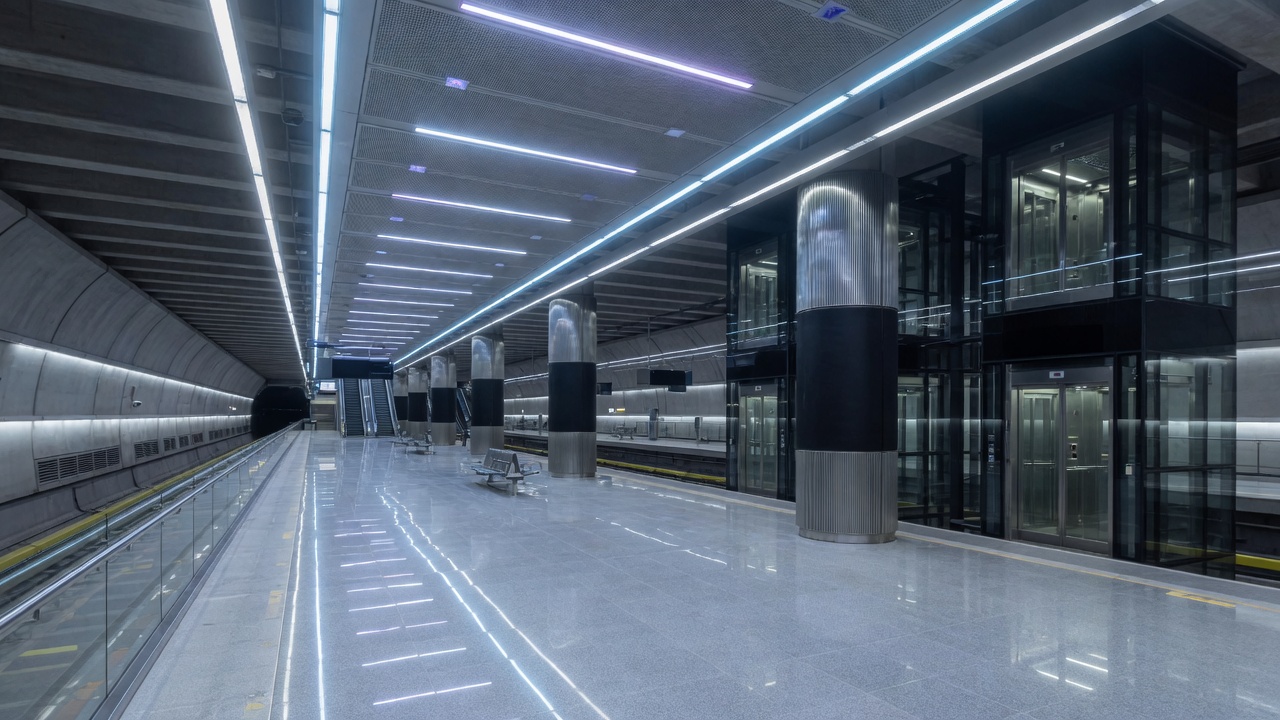
Delhi Metro Expansion: Phases, Access, and What to Expect
Interest is building around Delhi Metro expansion. Readers want a clear picture of what is expected to change, which details are worth caring about, and how pricing or access may work when the window opens.
Until the manufacturer or store publishes final specs and pricing, treat model details and launch timing as expected or rumored—not confirmed. Re-check the official product page before you spend money.
What is expected to change
Here is the practical shortlist for commuters and city residents following Delhi Metro expansion:
- Phase opening realism
- Interchange pain points
- Last-mile access changes
Phase opening realism — treat this as expected until the official source confirms it. Ask whether it would change a real decision for you, not only whether it makes a good rumor headline.
Interchange pain points — treat this as expected until the official source confirms it. Ask whether it would change a real decision for you, not only whether it makes a good rumor headline.
Last-mile access changes — treat this as expected until the official source confirms it. Ask whether it would change a real decision for you, not only whether it makes a good rumor headline.
What the run-up usually looks like
In the weeks before a infrastructure project launch or release, reporting often moves from early rumors to firmer detail, then to pricing, access, or schedule specifics. The last few days are when hype gets loud—that is when a shortlist beats endless feed refresh.
For commuters and city residents, expect incomplete comparison tables early and clearer official pages only after the announcement. Plan for a localization lag too—global news and local storefronts or listings are not always same-day twins.
Details that are worth your attention
Not every bullet on a rumor slide matters. Rank upcoming changes against what you already care about: performance, price, eligibility, story quality, seat or ticket access, cash lock-in, or risk—not social urgency alone.
Before the window opens, finish this sentence: “I will act only if ____ is real.” Keep that line nearby when social feeds try to rewrite your priorities.
Price and availability expectations
Expected pricing bands shift until the official storefront lists them. Compare storage or trim tiers carefully—the jump to a higher SKU often costs more than the real-world benefit.
Carrier, retailer, or marketplace promos can change the effective price more than a small MSRP move. Read the full commitment, not only the monthly headline.
Launch window — what usually happens next
Treat any specific month as expected until the official source locks a date. Soft calendars move; your prep should not depend on a rumor week.
On open week, popular options disappear first—whether that is a color, a ticket tier, or a subscription slot. Have a second choice ready.
Who should act — and who should wait
Act near the open if a confirmed change fixes a real problem you have now and you can absorb the cost of being early. Wait if your current setup still works and the upgrades look incremental.
If the only thesis is hype—a countdown timer or leak graphic—skipping or waiting for reviews is often the calmer move.
Conclusion
Delhi Metro expansion is worth watching as an upcoming infrastructure project story. Focus on details that would change a real decision, treat unofficial chatter as provisional, and re-check official sources when the window actually opens.
Timeline, eligibility, and what usually changes
For Delhi Metro expansion, the practical story is calendar discipline: registration windows, exam or voting dates, document cutoffs, and result or allotment phases. Soft social calendars are not official notices.
Eligibility rules and syllabus or process changes show up in official PDFs first. Screenshots in groups lag and sometimes invent “leaks.”
If travel or leave from work is required, plan buffers. Peak weeks create logistics stress even when you already know the core date.
How to prepare without rumor spirals
Build a single checklist from the official portal: forms, fees, ID, and any new pattern of exam centers or booth rules. Re-download PDFs when a corrigendum drops.
For commuters and city residents in India, the calm move is official sources only in the final fortnight—mute speculative channels that recycle the same unverified claim.
After results or outcomes, read the next-step instructions carefully. Appeals, counseling, or recount windows are short and easy to miss.
Common questions
When are details official?
When the company publishes them for this infrastructure project—not when a leak account posts a graphic.
Should I buy day one?
Only if a confirmed change fixes a problem you have now; otherwise waiting for reviews is rational.
Which configuration?
Shortlist two SKUs that fit multi-year use. The cheapest tier is often a false economy.
Will my market price match the keynote?
Often not on day one. Expect localization lag and re-check local storefronts.
Who is this for?
Mainly commuters and city residents following Delhi Metro expansion.
What should I ignore?
Countdown graphics, unverified “leaked” price tables, and any claim that cannot be traced to a primary source.
Practical notes for following Delhi Metro expansion
Separate confirmed facts from expected patterns and pure noise. Only the first bucket should move money on Delhi Metro expansion.
Localization lags are normal. Plan for them if you are not in the first market to get stock or listings in India.
Hype compresses decisions. A short written must-have list keeps commuters and city residents steady when timelines move.
When you evaluate Delhi Metro expansion, separate three layers: what the official source has confirmed, what prior cycles make reasonable to expect, and what is still pure rumor.
A practical note for India readers: local pricing, rights, inventory, or eligibility can lag a global announcement by days or weeks.
Write a short must-have list before the window opens so social urgency cannot quietly rewrite your decision.
Popular configurations, editions, or access tiers still clear first; keep a second acceptable option ready.
After the open, early hands-on coverage often corrects overconfident pre-release claims—waiting a short beat is a legitimate strategy.
Bookmark primary pages you will re-open on decision day instead of relying on screenshots in group chats.
If money moves, re-read live terms the day you act; fees and eligibility details drift.
Household budgets and shared subscriptions need a quick agreement so one person is not surprised by a last-minute purchase.
Regional rollouts and staged access are normal. Your market may not match the announcement-country experience on day one.
For commuters and city residents, calm process beats refresh-the-feed panic. The goal is a decision you still respect a month later.
Decision framework for Delhi Metro expansion
Start with a one-sentence job-to-be-done for Delhi Metro expansion: what broken experience should this fix in the next six months? If you cannot finish that sentence, you are shopping vibes, not solving a need.
Build a two-column note: confirmed details from primary sources on the left, expected-but-unconfirmed items on the right. Only the left column should unlock deposits, tickets, or full-price pre-orders.
Set a walk-away number or walk-away date in India terms—currency, leave days, or household bandwidth. When the market or feed tries to move you, return to that number.
Name a second-best alternative now (older generation, different platform, skip this cycle). People who skip second-best planning freeze when the first choice sells out.
Schedule one re-check on official pages the morning you act. Overnight fee, eligibility, and inventory changes are common enough that yesterday’s guide can mislead.
If multiple people share the cost or the subscription, write the agreement in plain language before checkout. Ambiguity is expensive during launch week.
After you decide, mute rumor accounts for a few days. Post-decision rumination rarely improves outcomes and often invents buyer’s remorse from unverified claims.
Keep receipts, order IDs, and booking references in one folder. Support and return paths go faster when commuters and city residents is not hunting screenshots across chats.
Revisit the decision a week after the window with a short postmortem: what was signal, what was noise, and what you would do differently next infrastructure project cycle.
None of this requires cynicism about Delhi Metro expansion. It requires treating upcoming stories as decisions with tradeoffs, not as loyalty tests.
Closing notes on Delhi Metro expansion
Delhi Metro expansion sits in a noisy information market. ComingSoon-style coverage is most useful when it slows you down: name the upcoming change, label what is expected versus confirmed, and only then talk about price, tickets, or access in India.
Readers following Delhi Metro expansion often lose time to duplicate posts that restate the same rumor with a new thumbnail. Pick two primary sources and one practical checklist of your own; that trio beats twenty recap accounts.
When timelines slip—as they do for many infrastructure project stories—update your plan instead of refreshing harder. A slipped window is information about risk, not a personal slight from the brand or organiser.
If you are comparing Delhi Metro expansion against an alternative, write the comparison in plain language: cost, timing, lock-in, and what you give up. Social polls are not a comparison framework.
Launch and release weeks reward people who prepared boring details: payment methods that work, IDs that match accounts, delivery addresses that are real, and calendars that include travel time.
commuters and city residents should expect incomplete tables early and cleaner official pages later. Acting on the incomplete table is optional; pretending it was complete is how regret starts.


