Toronto and Vancouver World Cup hotel checklist for international fans
How international fans should pick neighborhoods, read CAD deposits and cancellation windows, and plan Toronto vs Vancouver stays around match-day transit — evergreen logistics, refresh dates each tournament window.
Updated : 1 month ago

Toronto and Vancouver World Cup hotel checklist for international fans
Canada’s World Cup host cities turn ordinary hotel inventory into scarce match-window product. If you are flying in from the US, UK, Europe, Asia, or elsewhere, the risk is not missing a trivia fact about the tournament — it is paying a non-refundable deposit on the wrong side of town, or discovering your “20 minutes to the stadium” listing ignores match-day road closures.
This checklist is for international fans booking Toronto and/or Vancouver lodging in CAD, often with foreign cards, multi-city itineraries, and tickets that lock your calendar more tightly than a normal vacation. Tournament calendars and official hospitality packages change; re-verify match venues and transit advisories for the window you travel. The URL stays evergreen.
Who this is for
You benefit most if you hold or expect match tickets in the Toronto or Vancouver clusters, you are paying from a non-Canadian bank, and you may need two cities or a side trip. Locals with free couches can skip half of this; first-time Canada visitors should not.
Toronto vs Vancouver: pick the city logic before the hotel brand
Toronto is a dense transit city with a large hotel set and subway/streetcar options — still brutal when tens of thousands move at once. Vancouver pairs a walkable core with water and mountain geography that punishes bad neighborhood choices if you rely on a single bridge or bus corridor at peak.
If your tickets are only in one metro, do not split nights across both cities “for fun” unless you have a free day and a confirmed flight/train plan. Intercity Canada travel on event peaks is its own project.
| Factor | Toronto angle | Vancouver angle |
|---|---|---|
| Transit first | Subway/streetcar access often beats driving | SkyTrain + walkability in core; airport link matters |
| Neighborhood mistake | Cheap far suburb + last train risk | Pretty listing with painful peak traffic |
| Group travel | Larger hotel inventory; book early for adjoining rooms | Smaller peak inventory; lock sooner |
| Shoulder nights | Day before/after matches still price up | Same — do not assume midweek is empty |
CAD pricing, taxes, and foreign cards
Quote totals in CAD including mandatory fees and tax estimates. Foreign cards may add FX markups; some properties pre-authorize larger holds during events. Keep a backup card. If a rate requires a Canadian postal code or local phone, use a booking channel that supports international guests cleanly.
Cancellation and deposit traps
Event windows attract stricter policies: non-refundable “promo” rates, long cancellation horizons, and host-level rules on short-term rentals. Read the timestamp of the free-cancel deadline in the property’s timezone. If match times or your flights can still move, pay more for flexibility — a rigid discount is expensive when plans shift.
Short-term rentals vs hotels
Hotels simplify late arrivals, luggage, and multi-night groups. Licensed short-term rentals can work for families who need kitchens, but event enforcement and check-in logistics vary. Confirm local rules, building access after midnight, and who holds the deposit. Never assume a listing photo equals match-day noise levels.
Match-day logistics that change the “best” hotel
Road closures, fan zones, and packed transit can turn a 25-minute off-day commute into a 70-minute match-night ordeal. Prefer properties with redundant transit options. Agree a post-match meeting point if your group splits. Build a rain plan for queues outdoors.
Multi-city fans: Toronto and Vancouver in one trip
Only chain both cities if your ticket schedule forces it or you have clear free days. Book the scarcer city first. Price intercity flights early; do not rely on same-day standby thinking. One exhausted overnight connection is how people lose a match morning.
Your tickets are firm but flights might move by one day. Which rate shape fits?
Answer
Usually free-cancel until your flights lock. The “cheap” non-refundable room is a sunk cost if you must rebook.
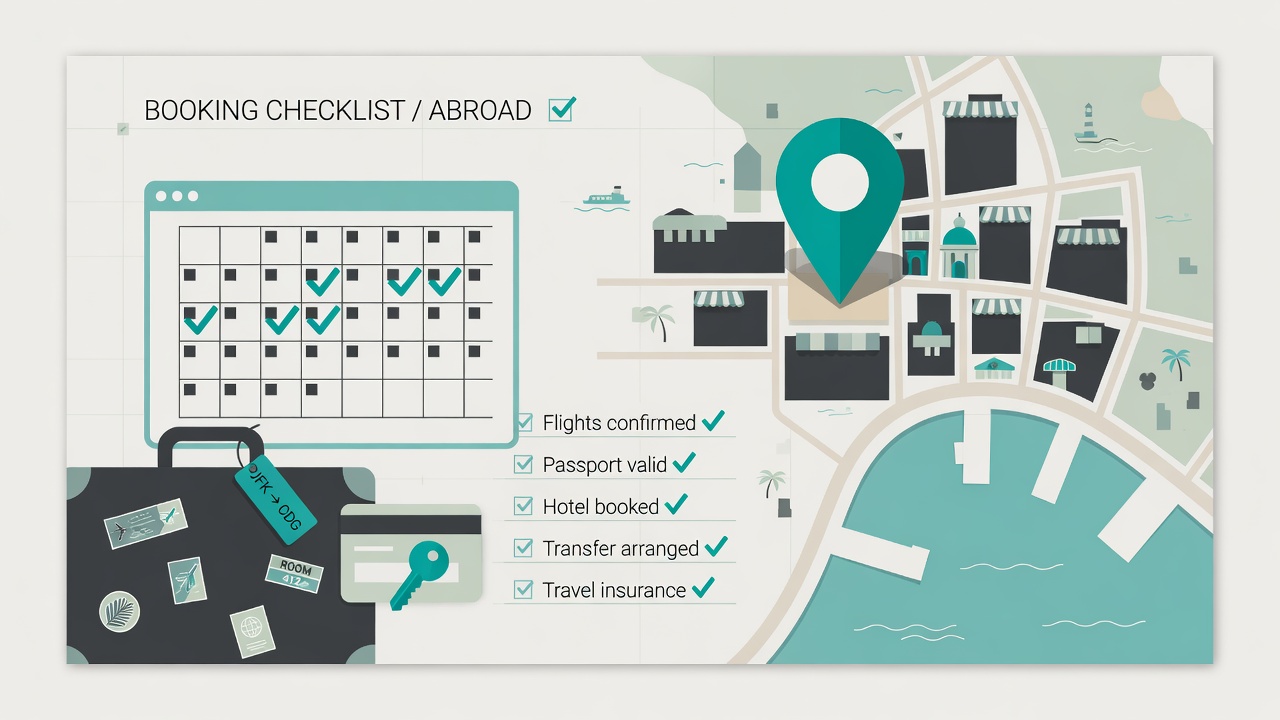
Booking checklist
- Match city nights listed; shoulder nights included.
- Total CAD cost with taxes/fees estimated.
- Cancellation deadline in local time screenshotted.
- Transit path for match night return tested on a map.
- Foreign card + backup; deposit amount understood.
- Airport transfer that does not depend on one sold-out bus.
- Group: room config and late check-in policy confirmed.
Neighborhood patterns that usually work for fans
In Toronto, many visitors default to a core corridor with subway access so they can move without a car after late matches. That does not mean every downtown pin is equal: construction, crowd overflow from fan festivals, and last-train timing still matter. A slightly less flashy property on a redundant transit line often beats a prettier listing that depends on one congested surface route.
In Vancouver, geography is the silent co-host. Water, bridges, and hills shape real travel times. A beautiful stay that looks central on a zoomed-out map can still strand you when event buses fill up. Walk the last kilometre mentally with luggage and rain in mind. If your group includes kids or anyone who cannot stand long queues, prioritize elevator reliability and 24-hour desk access over novelty architecture.
How to read a listing like a skeptic
Ignore hero photos first. Read: exact cancellation ladder, deposit timing, quiet hours, party policy, and whether the host or hotel can relocate you if something fails. Check the map pin against a stadium or primary transit hub using the walking layer, not the driving layer only. Search recent guest comments for elevator, noise, and check-in friction keywords. If the price is far below neighborhood comps during a known match cluster, assume either a policy trap or a location compromise until proven otherwise.
For multi-room groups, confirm bedding configuration in writing. 'Sleeps six' is not the same as three real beds. Ask about luggage storage on early arrival days when flights land before check-in — event weeks make lobby floors crowded and temporary holds less reliable.
Budget worksheet in CAD (planning, not a quote)
Solo travelers, couples, and supporter groups
Solo travelers should weight 24-hour reception, well-lit approaches, and simple transit over saving a few dollars in a remote listing. Couples can trade space for location more easily. Supporter groups need explicit gathering rules — many hotels tighten policies during major tournaments. If your group will wear colors and chant in public, plan celebrations outdoors in designated areas rather than risking eviction from a noise complaint at 1 a.m.
If anyone in the party has accessibility needs, verify elevator size, step-free routes to platforms, and bathroom configuration before you pay. Event crowds make platform elevators slower; extra time is part of the itinerary, not optional polish.
Insurance, scams, and too-good-to-be-true inventory
Use payment methods with buyer protection when the platform offers it. Be wary of off-platform wire requests. For resale ticket + hotel bundles from unofficial sellers, evaluate each component separately — a cheap room attached to a dubious ticket is two risks, not one bargain. Travel insurance that covers trip interruption can matter when flights slip around match dates; read football-related exclusions carefully.
Day-before and day-after nights
Fans often under-book the night before a match and the night after a late knockout game. Those shoulder nights still price like event nights in host cores. If you must save money, shift the non-match end of the trip farther from the venue corridor, not the match eve itself. Leaving at dawn after a final is miserable if your airport run collides with everyone else's.
Practical packing for Canadian host cities in tournament season
Layers, a compact rain shell, and shoes you can stand in for hours matter more than formal wear. Carry a small offline map pack and portable battery; mobile networks congest after full-time. If you buy merchandise, leave space in the suitcase rather than forcing last-minute lodging changes because your bags no longer fit the ride-share trunk fantasy.
FAQ
When should international fans book?
As soon as match cities/nights are likely firm — peak inventory moves early. Use free-cancel while flights settle.
Is downtown always best?
Often good for transit, not always for price or sleep. Optimize for match-night return reliability.
Hotel or apartment?
Hotels for simplicity; apartments only with clear check-in and legal clarity.
Will prices drop later?
Sometimes — but quality inventory may vanish. Do not gamble your only bed on a hope dip if tickets are fixed.
Is this page year-locked?
No. Refresh match calendars and advisories each tournament window; keep the process.
Re-check each tournament window
Official FIFA / host-city transport notices, hotel cancellation PDFs, your card’s FX fees, and airline change rules. This is consumer logistics guidance, not an official hospitality seller.
Bottom line
In Toronto and Vancouver, win the lodging game with transit-smart locations, honest CAD totals, and cancellation policies that match how firm your tickets and flights really are.


