Foldable Phone Durability Claims vs Real Ownership: What to Expect
Expected details, pricing or access signals, and launch timing for foldable phone durability vs ownership reality.
Updated : 3 weeks ago
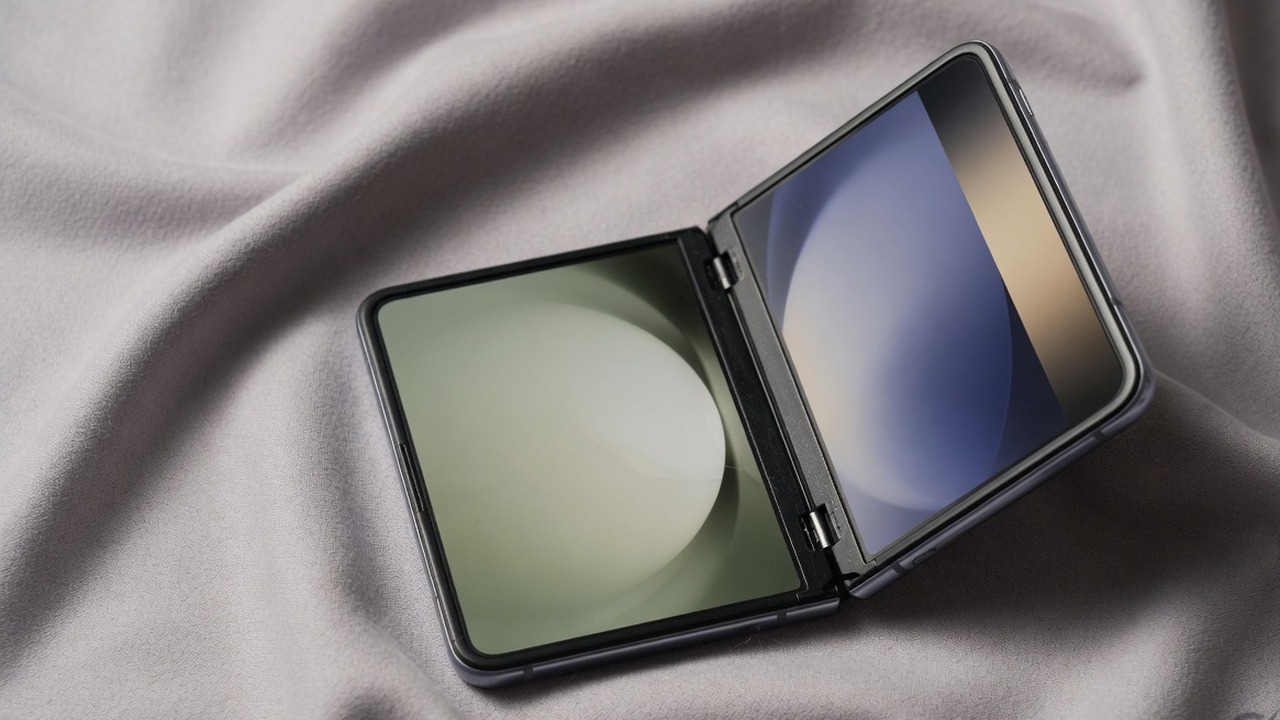
Foldable Phone Durability Claims vs Real Ownership: What to Expect
Interest is building around foldable phone durability vs ownership reality. Readers want a clear picture of what is expected to change, which details are worth caring about, and how pricing or access may work when the window opens.
Until the manufacturer or store publishes final specs and pricing, treat model details and launch timing as expected or rumored—not confirmed. Re-check the official product page before you spend money.
What is expected to change
Here is the practical shortlist for buyers weighing first foldable purchase risk following foldable phone durability vs ownership reality:
- Screen protector and hinge warranty terms
- Insurance cost relative to slab phones
- Pocket lint and crease care habits
- Resale value drop in year one
Screen protector and hinge warranty terms — treat this as expected until the official source confirms it. Ask whether it would change a real decision for you, not only whether it makes a good rumor headline.
Insurance cost relative to slab phones — treat this as expected until the official source confirms it. Ask whether it would change a real decision for you, not only whether it makes a good rumor headline.
Pocket lint and crease care habits — treat this as expected until the official source confirms it. Ask whether it would change a real decision for you, not only whether it makes a good rumor headline.
Resale value drop in year one — treat this as expected until the official source confirms it. Ask whether it would change a real decision for you, not only whether it makes a good rumor headline.

What the run-up usually looks like
Marketing crease photos rarely match six-month use
Repair wait times can exceed slab flagships
Details that are worth your attention
Not every bullet on a rumor slide matters. Rank upcoming changes against what you already care about: performance, price, eligibility, story quality, seat or ticket access, cash lock-in, or risk—not social urgency alone.
Before the window opens, finish this sentence: “I will act only if ____ is real.” Keep that line nearby when social feeds try to rewrite your priorities.
Price and availability expectations
Price insurance and a case into the purchase—not as optional afterthoughts.
Compare effective cost over two years, not launch week excitement.
Launch window — what usually happens next
Treat any specific month as expected until the official source locks a date. Soft calendars move; your prep should not depend on a rumor week.
On open week, popular options disappear first—whether that is a color, a ticket tier, or a subscription slot. Have a second choice ready.
Who should act — and who should wait
Buy if you will use the larger screen weekly for work.
Wait if you mainly want a thinner slab and hate repair risk.
Conclusion
foldable phone durability vs ownership reality is worth watching as an upcoming smartphone story. Focus on details that would change a real decision, treat unofficial chatter as provisional, and re-check official sources when the window actually opens.
Design, display, and everyday feel
Industrial design changes for foldable phone durability vs ownership reality are easy to hype and hard to judge from renders. Thickness, weight, durability ratings, hinge feel, and how the device sits in a pocket or bag matter more than a colorway leak.
Display brightness, refresh behavior, outdoor readability, and speaker quality still separate flagships from midrange in daily use. If your week is mostly messaging and maps, an incremental screen upgrade may not justify a full refresh.
Accessories and case ecosystems matter more than launch posts admit. A new port layout, magnet array, or band standard can silently tax your existing kit.
Performance, cameras, and core capabilities
Chipset, memory, and thermal design drive multitasking and longevity. Ask whether the upgrade fixes a problem you feel now—heat, lag, storage pressure—not only whether it wins a benchmark chart.
Camera pipelines and video stabilization often decide satisfaction more than megapixel counts. If low-light video or zoom is your real use case, wait for hands-on samples rather than sensor-name slides.
For laptops, tablets, and wearables, sustained performance under load and software support windows shape multi-year value. Factor repairability and battery replacement paths into the price, not only launch-day promos.
Battery, software support, and ownership cost
Battery claims are best-case. Real endurance for foldable phone durability vs ownership reality depends on display settings, network conditions, and your app mix. Mixed-use tests after launch are more trustworthy than a keynote slide.
Software update promises and security-patch length change effective cost. A cheaper device that stops getting patches early can be the more expensive choice over three years.
Trade-in condition checks, carrier bill credits, and bank offers in US often move the all-in number more than a small MSRP change. Read the full commitment length before treating a monthly headline as the price.
How to shortlist configurations without panic
Storage, color, and trim choices create the real inventory drama. Shortlist two configurations for foldable phone durability vs ownership reality before pre-order night so a single sellout does not freeze you into a bad SKU.
Local pricing in US can lag a global keynote. Do not treat a US or EU screenshot as your checkout total. Build a simple “fair price” number in your currency before open day.
If your current device still works and the upgrades look incremental, waiting is often the calmer move for buyers weighing first foldable purchase risk. Early reviews still matter after launch for heat, battery, and camera consistency.
Common questions
When are details official?
When the company publishes them for this smartphone—not when a leak account posts a graphic.
Should I buy day one?
Only if a confirmed change fixes a problem you have now; otherwise waiting for reviews is rational.
Which configuration?
Shortlist two SKUs that fit multi-year use. The cheapest tier is often a false economy.
Will my market price match the keynote?
Often not on day one. Expect localization lag and re-check local storefronts.
Who is this for?
Mainly buyers weighing first foldable purchase risk following foldable phone durability vs ownership reality.
What should I ignore?
Countdown graphics, unverified “leaked” price tables, and any claim that cannot be traced to a primary source.
Practical notes for following foldable phone durability vs ownership reality
Storage, color, and trim choices create the real inventory drama. Shortlist two configurations before pre-order night so a single sellout does not freeze you.
Local pricing in US can lag a global keynote. Expect that lag and do not treat a US or EU screenshot as your checkout total.
Trade-in condition checks and bill-credit fine print change effective price more than many launch-day headlines admit.
Early reviews still matter after launch: sustained battery, heat, and camera behavior are hard to judge from a rumor slide.
If your current device still works and the upgrades look incremental, waiting is often the calmer move for buyers weighing first foldable purchase risk.
Compare warranty length and authorized service access in US—they are part of the product, not a footnote.
Accessories you already own may or may not carry over; factor replacement cost into the upgrade math for foldable phone durability vs ownership reality.
When you evaluate foldable phone durability vs ownership reality, separate three layers: what the official source has confirmed, what prior cycles make reasonable to expect, and what is still pure rumor.
A practical note for US readers: local pricing, rights, inventory, or eligibility can lag a global announcement by days or weeks.
Write a short must-have list before the window opens so social urgency cannot quietly rewrite your decision.
Popular configurations, editions, or access tiers still clear first; keep a second acceptable option ready.
After the open, early hands-on coverage often corrects overconfident pre-release claims—waiting a short beat is a legitimate strategy.
Bookmark primary pages you will re-open on decision day instead of relying on screenshots in group chats.
If money moves, re-read live terms the day you act; fees and eligibility details drift.
Household budgets and shared subscriptions need a quick agreement so one person is not surprised by a last-minute purchase.
Regional rollouts and staged access are normal. Your market may not match the announcement-country experience on day one.
For buyers weighing first foldable purchase risk, calm process beats refresh-the-feed panic. The goal is a decision you still respect a month later.
Decision framework for foldable phone durability vs ownership reality
List the three daily tasks foldable phone durability vs ownership reality must improve. If launch rumors do not touch those tasks, an upgrade is optional.
Price the configuration you will actually keep for years, not the entry SKU used in headlines.
Include accessory and trade-in friction in the total. Launch-night math is incomplete without them.
Start with a one-sentence job-to-be-done for foldable phone durability vs ownership reality: what broken experience should this fix in the next six months? If you cannot finish that sentence, you are shopping vibes, not solving a need.
Build a two-column note: confirmed details from primary sources on the left, expected-but-unconfirmed items on the right. Only the left column should unlock deposits, tickets, or full-price pre-orders.
Set a walk-away number or walk-away date in US terms—currency, leave days, or household bandwidth. When the market or feed tries to move you, return to that number.
Name a second-best alternative now (older generation, different platform, skip this cycle). People who skip second-best planning freeze when the first choice sells out.


