H3 F9 Launch 2026: JAXA's MICHIBIKI No. 7 Completes Japan's QZSS Navigation Satellite Constellation
February 1 Tanegashima Launch: Precision GPS for Urban Japan, Disaster Response & Autonomous Cars – Live Stream Guide!
Updated : 8 months ago
Categories: Space Launches, JAXA Missions, Satellite Technology, Japan Aerospace, 2026 Space Events
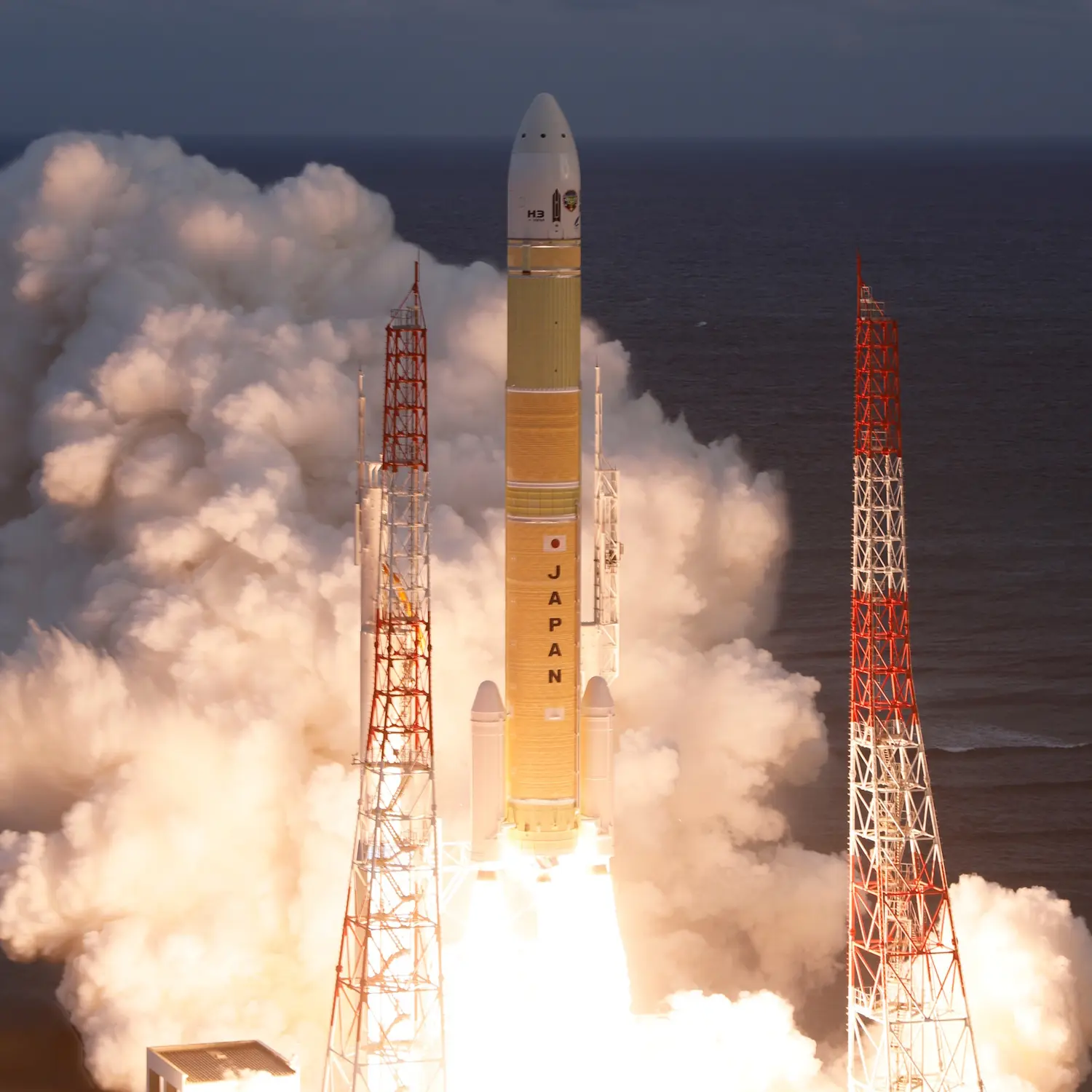
H3 F9 Launch 2026: MICHIBIKI No.7 Completes Japan's QZSS Constellation
JAXA's H3 Flight 9 Launches QZS-7 – Full Schedule, Rocket Specs & Live Stream Guide
🚀 Mission Overview: February 1, 2026 Launch
The H3 Flight 9 (H3 F9) rocket will launch MICHIBIKI No.7 (QZS-7), the final satellite to complete Japan's 7-satellite Quasi-Zenith Satellite System (QZSS) constellation. This mission marks a milestone in providing independent, high-precision positioning across Japan and the Asia-Pacific region.
📅 Launch Schedule & Live Stream
Target Date: February 1, 2026
Launch Window: 16:30–18:00 JST (07:30–09:00 UTC)
Venue: Yoshinobu Launch Complex, Tanegashima Space Center
Backup Window: Through March 31, 2026
Official JAXA Live Stream: global.jaxa.jp
JAXA Countdown & Updates
Launch Window: 16:30–18:00 JST (07:30–09:00 UTC)
Venue: Yoshinobu Launch Complex, Tanegashima Space Center
Backup Window: Through March 31, 2026
Official JAXA Live Stream: global.jaxa.jp
JAXA Countdown & Updates
Watch live on JAXA's YouTube channel (English commentary available) or NHK World. Streams start ~30 minutes before liftoff.
📡 QZSS Benefits & Technology
Why QZSS Matters
- Overcomes urban canyon signal blockage with high-elevation orbits (40–80° over Japan)
- Centimeter-level accuracy (CLAS service: ~10cm real-time)
- Disaster messaging & reliable comms during emergencies
- Supports autonomous vehicles, precision agriculture & smart cities
- Reduces dependency on foreign GPS systems for national security

🚀 H3 Rocket Key Specs
Height: 63m
Payload to GTO: ~4–6.5 tons
Engines: 2× LE-9 (1st stage) + boosters
Cost: ~¥5 billion (~$37M USD)
Developed by JAXA & Mitsubishi Heavy Industries as a reliable, cost-effective successor to H-IIA.


