iPhones, Laptops & Gadgets: How EU-India FTA 2026 Could Make Electronics Cheaper in India
Today vs Tomorrow – Will Flagship Smartphones, Laptops and Premium Gadgets Finally Become More Affordable?
EU-India FTA opens doors – could premium gadgets like iPhones and laptops get a price relief? (Representational)
The landmark EU-India Free Trade Agreement concluded on January 27, 2026 promises phased tariff eliminations on machinery, electrical equipment, components, and high-tech items – directly benefiting India's booming electronics sector. While consumer gadgets like smartphones and laptops already enjoy relatively low import duties (often under 20%), the real game-changer is cheaper access to European advanced machinery, semiconductor tools, display components, and testing equipment – lowering production costs for Made in India devices.
India's electronics exports to the EU could hit $50 billion by 2031 (potentially $100B+ later), with 99.6% preferential access. For consumers, this means gradual price moderation on premium imports and locally assembled flagships (e.g., iPhones, Samsung, Google Pixel, high-end laptops). But how much cheaper? And which gadgets win/lose? Here's the detailed outlook (estimates phased over 5-10 years; actuals depend on rupee, GST, brands, and supply chains).
Key FTA Details for Electronics & Gadgets
- Machinery & electrical equipment → mostly 0% tariffs (from up to 44%)
- Mobile phone parts, integrated circuits, high-tech components → duty elimination
- Smartphones, tablets, IT hardware → already low duties; now easier EU market access for Indian exports
- LED TVs, lighting, home appliances → duties up to 14% → 0% phased
- EU market ($750B electronics) opens with 99.6% preferential access for Indian goods
- Cheaper EU inputs → lower costs for Indian assemblers (Apple, Samsung, Google, local brands)
- No major direct cuts on finished consumer gadgets (already low), but indirect benefits via production ecosystem

Estimated Price Impact: Today vs Post-FTA (2030+ Outlook)
Indirect benefits via lower component/machinery costs + export gains. . Estimates speculative; local assembly (90%+ market) sees most gains; fully imported premium models limited by quotas elsewhere but inputs cheaper. GST/cess unchanged.
| Gadget / Category | Current Price Range (2026 Ex-Showroom) | Expected Post-FTA (Phased Impact) | Potential Savings / Change |
|---|---|---|---|
| Apple iPhone (Flagship, e.g. iPhone 16/17 Pro) | ₹1,19,900 – ₹1,79,900 | ₹1,05,000 – ₹1,60,000? | 5-15% (via cheaper parts & assembly) |
| Samsung Galaxy S / Fold series | ₹79,999 – ₹1,64,999 | ₹70,000 – ₹1,45,000? | 8-12% indirect |
| Google Pixel / Mid-range Android flagships | ₹59,999 – ₹99,999 | ₹52,000 – ₹88,000? | 10-15% from supply chain |
| Premium Laptops (MacBook Pro, Dell XPS, Lenovo ThinkPad) | ₹1,29,900 – ₹3,49,900 | ₹1,10,000 – ₹3,00,000? | 10-20% on imported components |
| Gaming Laptops / High-end Notebooks | ₹89,999 – ₹2,49,999 | ₹78,000 – ₹2,10,000? | 12-18% cost reduction |
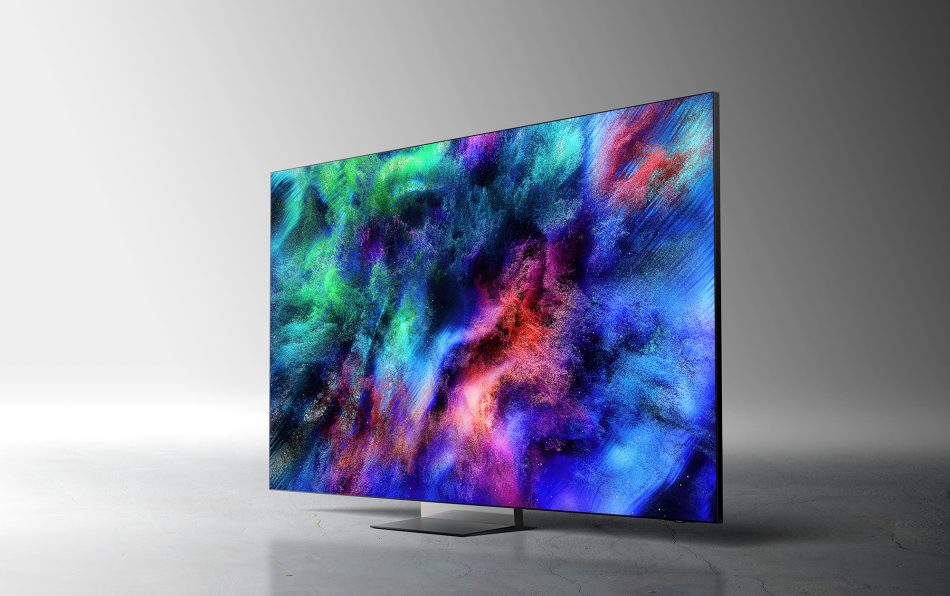
| Smart TVs (55-75" Premium OLED/QLED) | ₹89,999 – ₹2,99,999 | ₹75,000 – ₹2,50,000? | Up to 15-20% (duty rationalization) |
| Wearables (Apple Watch, Galaxy Watch, earbuds) | ₹19,999 – ₹49,999 | ₹17,000 – ₹43,000? | 5-15% gradual |
| Indian-Made Exports to EU (e.g. local smartphones) | N/A (limited now) | Export boom $50B+ by 2031 | Big win for manufacturers |
What This Means for Buyers, Manufacturers & Market
Big Winners (Consumers & Makers)
Local assemblers (Apple/Samsung factories in India) get cheaper EU-sourced components → lower prices on Made in India flagships. Exports surge to EU's $750B market.
Limited Immediate Impact
Fully imported premium gadgets (e.g. direct EU-sourced iPhones) see minor changes (duties already low); benefits trickle via production ecosystem over years.
Long-Term Gains & Risks
Cheaper inputs → more innovation, jobs in Noida/Bengaluru/Chennai hubs; risks: competition from EU brands, compliance with EU standards, rupee volatility offsetting savings.
From iPhones to laptops – electronics ecosystem set for transformation