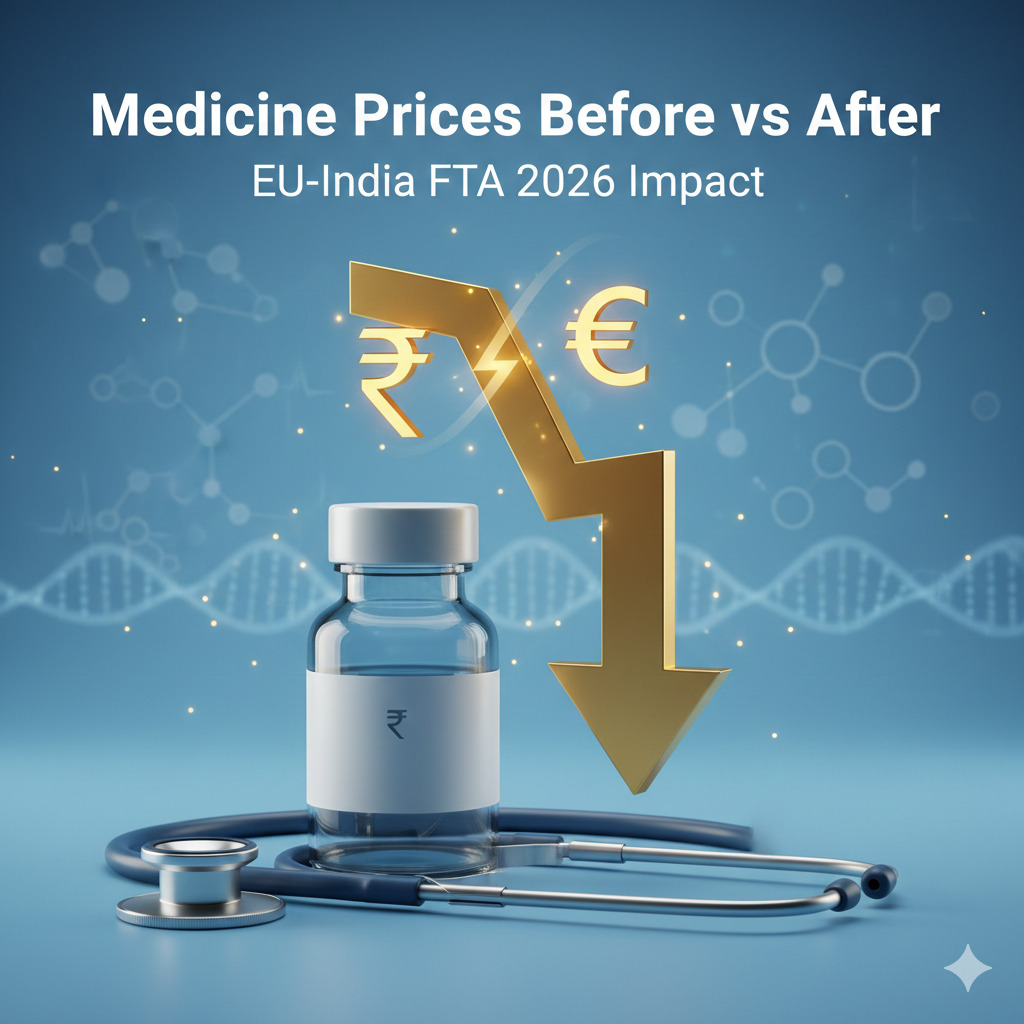
Medicine & Pharma Prices in India: Before vs After EU-India FTA 2026 – Will Life-Saving Drugs & Equipment Become Cheaper?
Today vs Tomorrow – Impact on Cancer Drugs, Antibiotics, Generics Exports & Hospital Equipment Costs

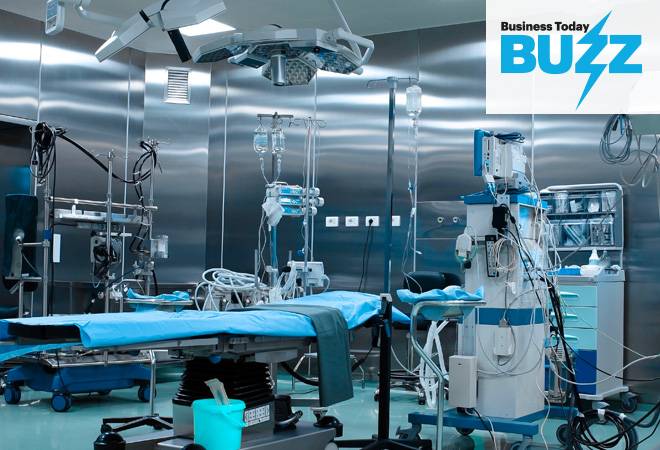
EU-India FTA could bring relief to medicine prices and better access to advanced treatments (Representational)
The landmark EU-India Free Trade Agreement concluded on January 27, 2026 eliminates or sharply reduces tariffs on most pharmaceutical products and medical equipment, opening massive opportunities for India's generic drug industry while potentially lowering costs for imported specialty medicines and hospital devices in India.
India is already the "pharmacy of the world" (supplying ~20% of global generics). The FTA grants 99%+ preferential access for Indian pharma exports to the EU, while EU-origin APIs (active pharmaceutical ingredients), oncology drugs, biologics, vaccines, and diagnostic equipment face phased duty cuts (from 10–30% → 0%). For Indian patients, this means gradual price moderation on high-cost imported treatments; for manufacturers — huge export growth. Here's the detailed outlook (estimates phased over 5–10 years; actuals depend on rupee, GST, pricing controls, and global supply chains).
Key FTA Details for Pharma & Healthcare
- Pharmaceuticals & APIs → mostly 0% tariffs (from 10–22% currently)
- Medical devices & equipment (MRI, ventilators, implants) → duties phased to 0%
- Indian generics & biosimilars → 99%+ duty-free access to EU market
- Specialty drugs (oncology, rare diseases) → easier imports, lower input costs
- EU market access opens for Indian vaccines, injectables, and contract manufacturing
- No major exclusions for pharma (unlike dairy/poultry); strong IP & data protection clauses
- Expected export growth: Indian pharma to EU could rise 40–60% in 5–7 years

Estimated Price Impact: Today vs Post-FTA (2030+ Outlook)
Indirect benefits via lower APIs, equipment duties & competition. Scroll horizontally on mobile. Estimates speculative; NPPA price caps & local production limit full pass-through. GST/cess unchanged.
| Medicine / Category | Current Avg. Price (2026) | Expected Post-FTA (Phased) | Potential Savings / Change |
|---|---|---|---|
| Cancer Drugs (e.g. Trastuzumab, Imatinib monthly course) | ₹25,000 – ₹1,20,000 | ₹20,000 – ₹95,000? | 10–25% (imported APIs & competition) |
| Biologics / Insulin (monthly) | ₹4,000 – ₹12,000 | ₹3,200 – ₹9,500? | 15–25% gradual |
| Antibiotics (e.g. high-end injectables course) | ₹2,500 – ₹8,000 | ₹2,000 – ₹6,500? | 10–20% |
| Cardiac / BP Medicines (monthly chronic) | ₹300 – ₹1,200 | ₹250 – ₹1,000? | 5–15% indirect |
| MRI / CT Scan Machines (hospital procurement) | ₹8–18 crore | ₹7–15 crore? | 10–20% on imported models |
| Ventilators / ICU Equipment (unit) | ₹12–35 lakh | ₹10–28 lakh? | 15–25% |
| Indian Generics Exports to EU (industry value) | ~ $8–10B annually | Potential $20B+ by 2031 | Major export growth |
What This Means for Patients, Hospitals & Industry
Big Winners (Patients & Exporters)
Indian patients: cheaper imported specialty drugs & better hospital equipment. Indian pharma companies: massive EU export boom, more jobs in manufacturing hubs.
Limited Immediate Impact
Most everyday generics (already low price) see little change; NPPA caps & local dominance limit imported drug price drops in short term.
Long-Term Gains & Risks
Lower input costs → innovation in biosimilars & vaccines; risks: stricter EU quality/compliance standards, potential price pressure on small manufacturers.
India's pharma industry poised for major EU market expansion