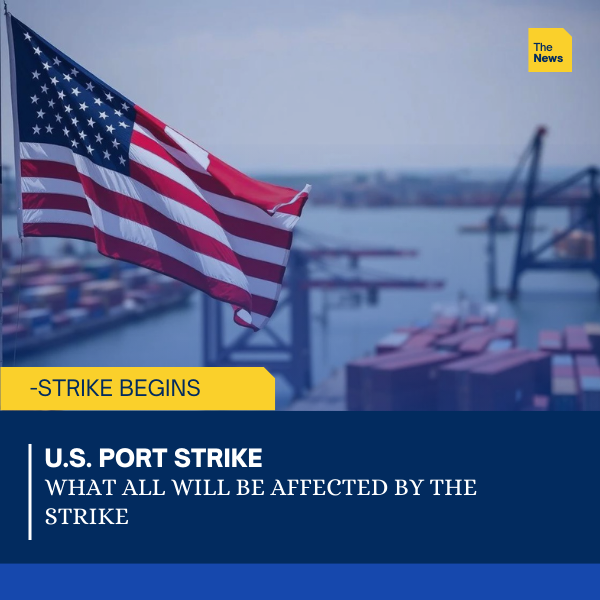
The U.S. is facing a major disruption as 45,000 dockworkers from Maine to Texas have gone on strike, shutting down crucial East Coast and Gulf Coast ports. This is the first strike of its kind since 1977, and it threatens to cause widespread shortages and price increases across the country. With the holiday shopping season and a tight presidential election approaching, the timing couldn’t be worse.
Why Are Dockworkers Striking?
The International Longshoremen's Association (ILA), representing dockworkers, is demanding higher wages and a ban on automation of cranes and trucks at ports. Their contract with the United States Maritime Alliance (USMX) expired, and despite late-night negotiations, the workers went on strike on Tuesday, October 1, 2024. These ports handle about half of the nation’s cargo, making this strike a significant threat to the U.S. economy.
What’s at Stake?
This strike is expected to impact perishable goods, particularly fruits like bananas and pineapples, which are primarily imported through East Coast and Gulf Coast ports. In fact, 80% of the bananas entering the U.S. come through these ports. If the strike continues for an extended period, we may see shortages of produce and other consumer goods, as well as price increases.
Immediate Effects on Supply Chains
Perishable Goods: Importers of tropical fruits, like National Produce Marketing Inc., are already experiencing delays. For perishable goods, even a few days of delay could significantly impact the shelf life and market value of products.
Automotive Industry: The strike also threatens to disrupt the automotive supply chain, delaying foreign-made car deliveries and affecting car parts supply.
Retailers: Retailers are particularly concerned as they prepare for the holiday shopping season. Many have inventory on hand, but a prolonged strike could deplete their stocks, leading to shortages and price hikes.
USDA’s Take on Food Prices
Despite concerns, the U.S. Department of Agriculture (USDA) does not anticipate significant changes in food prices in the near term. Strong domestic agricultural production and the smooth operation of ports before the strike have created a buffer. However, the USDA acknowledges that if the strike continues, perishable items may become more expensive or less available.
Canada Feels the Impact
Canada, closely tied to U.S. trade, is also feeling the effects. Pascal Chan of the Canadian Chamber of Commerce noted that shortages in produce, consumer goods, and electronics could be felt quickly. The automotive industry and holiday retailers in Canada will also be impacted by U.S. port disruptions.
What Happens Next?
The outcome of this strike remains uncertain, and the stakes are high. If negotiations continue to stall, the U.S. economy could lose billions of dollars each day. Both sides are under pressure to reach an agreement, but with the union firm on demands, the strike may last longer than anticipated. Consumers should brace for potential shortages and higher prices, especially on perishable goods and imported items. The impact will depend on how long the ports remain shut and whether businesses can find alternative shipping routes.